
Mole Mapping in Red Deer
Mole Mapping
Keep Track of Your Moles Over Time
Have a lot of moles? Worried about one that’s changing? Or simply find it difficult to keep track of what’s normal for your skin?
Mole mapping creates a detailed high-resolution visual record of your skin that can be compared with future examinations. This gives your doctor another tool for monitoring moles and identifying changes that may need closer assessment.
If you have multiple or atypical moles, or other risk factors for skin cancer, the mole mapper is the test for you.
Important: Mole mapping is available at our sister location, Blue Opal Recovery & Wellness. The facility also offers advanced body scanning and laser services.
For medical concerns, a referral from your family doctor is required.
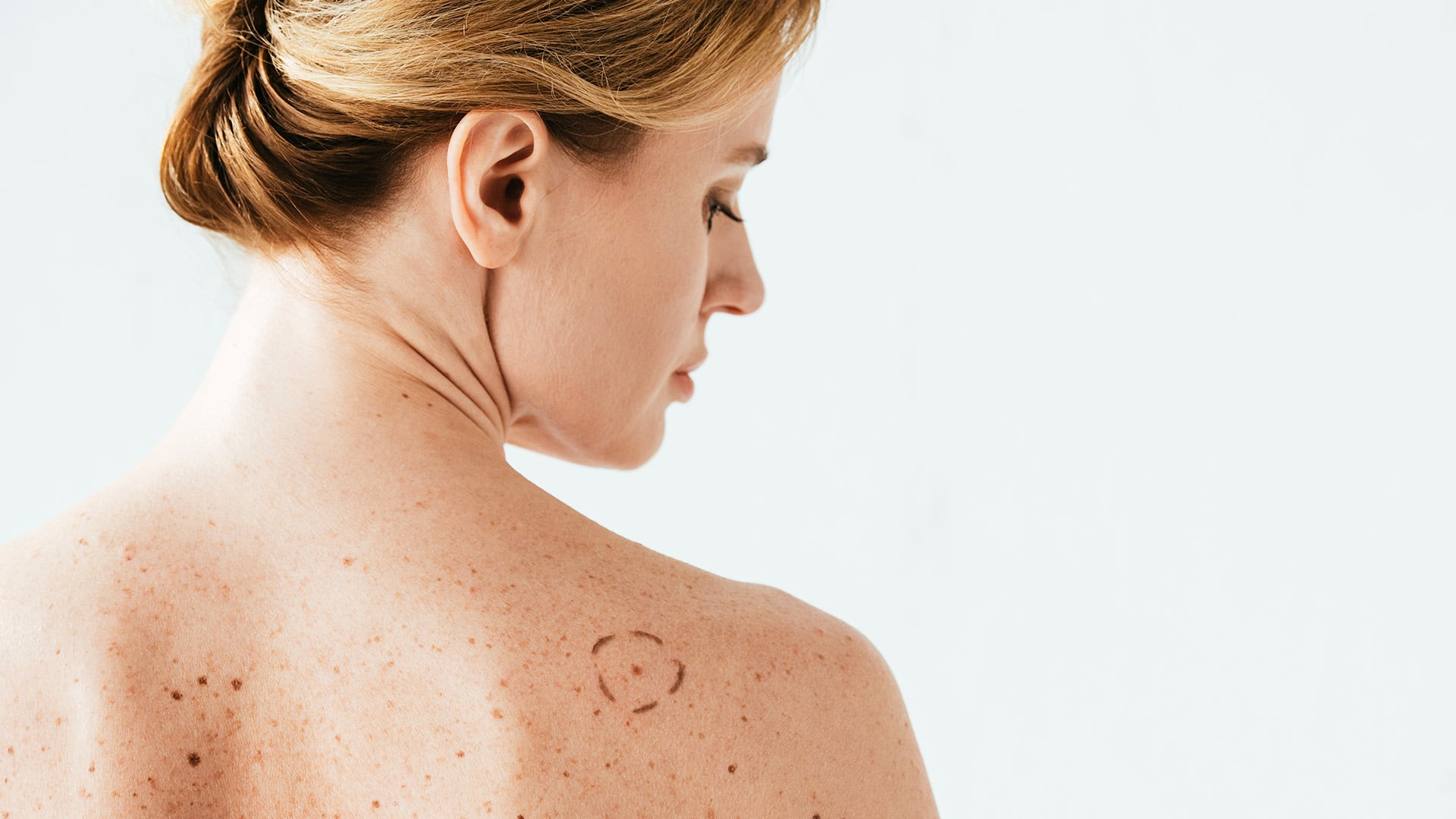
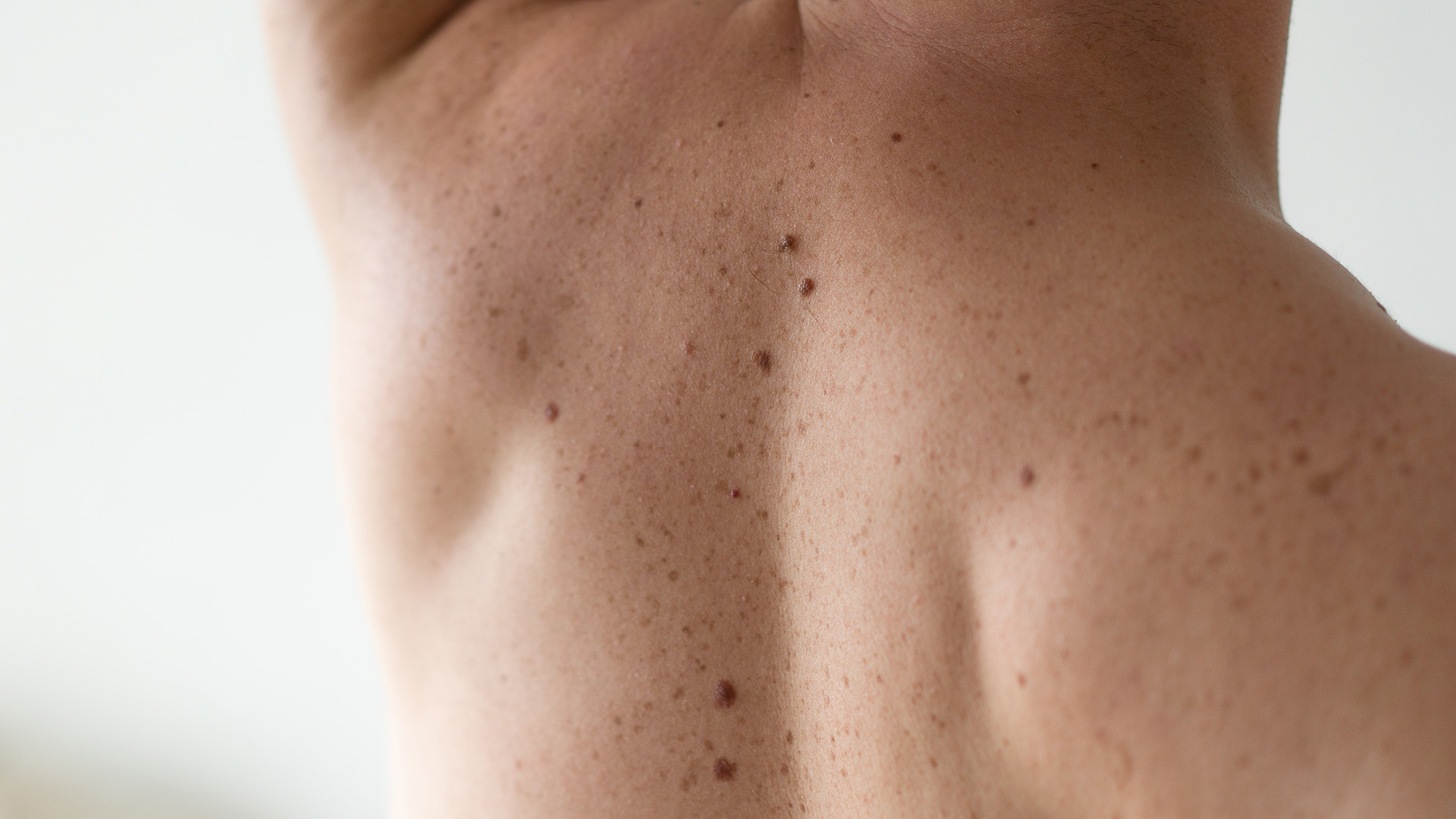
What Is Mole Mapping?
Mole mapping, also called total body photography or digital dermoscopy monitoring, is a specialized screening tool used to document and monitor moles and other pigmented lesions over time.
It combines standardized photographs of the skin with detailed images of selected moles using and risk stratifies the moles so you know which ones to keep an eye on.
Rather than relying only on what a mole looks like during one appointment, mole mapping creates a baseline record that can be compared with images from future visits. This can help your dermatologist identify new lesions or changes in existing ones.
Mole mapping does not replace a clinical skin examination. It adds another layer of information to help with ongoing skin surveillance.
How Does Mole Mapping Work?
1. Full-body imaging
Specialized equipment captures standardized, high-resolution photographs of the skin. The images provide a visual map of the areas being monitored.
2. Detailed mole imaging
Moles or other lesions that require closer monitoring can be photographed using specialized imaging. These images show details that may not be visible in a standard photograph.
3. Creating your baseline
The images are stored and a digital copy is given to you as a reference for future examinations. This creates a baseline that your dermatologist can use when assessing your skin over time.
If a lesion appears concerning, your family doctor for a referral to the dermatologist so they can determine whether it needs further assessment, monitoring, or a procedure such as a biopsy.
Talk to Your Doctor About Mole Mapping in Red Deer
For medical concerns, a referral from your family doctor is required.
Benefits of Mole Mapping
Mole mapping can be particularly helpful when there are many moles to monitor or when a person has an increased risk of skin cancer.
Potential benefits include:
- A detailed baseline: Creates a photographic record of your skin for future comparison.
- Monitoring over time: Makes it easier to identify changes in existing moles or new lesions.
- Detailed assessment: Dermoscopic images provide additional information beyond standard photographs.
- More informed decisions: Changes over time can help your dermatologist determine whether a lesion needs further assessment.
- Monitoring multiple moles: A complete visual record can be especially useful when you have many moles that are difficult to track individually.
- Non-invasive imaging: The imaging process is painless and does not involve radiation.
Is Mole Mapping Right for Me?
Mole mapping may be considered if you:
- Have many moles
- Have atypical or irregular moles
- Have a personal history of melanoma or other skin cancer
- Have a family history of melanoma or skin cancer
- Have had significant sun exposure
- Have difficulty monitoring your moles yourself
- Have other risk factors that may increase your risk of melanoma
If you notice a new or changing mole, don’t wait for a future mole-mapping appointment. Talk to your doctor about having it assessed.
For medical concerns, a referral from your family doctor is required.
What to expect?
Before your appointment
We will review your medical and family history.
You may be asked to remove makeup, jewellery, or other items that could interfere with imaging.
During your appointment
Specialized cameras capture standardized images of your skin. You may need to stand in several positions so different areas can be photographed consistently.
Selected moles or lesions may also be examined with a dermatoscope and photographed in greater detail.
The imaging itself is non-invasive and painless.
After your appointment
The timing of follow-up depends on your individual risk factors.
Frequently Asked Questions
Is mole mapping the same as a skin check?
No. A skin check involves a clinical examination of your skin by a healthcare professional. Mole mapping adds standardized imaging that can be compared over time.
Can mole mapping detect melanoma?
Mole mapping can help identify changes in moles and other lesions that may warrant further assessment for melanoma or other skin cancers. It does not diagnose melanoma. A concerning lesion may require additional examination or a biopsy.
Who benefits most from mole mapping?
Mole mapping can be particularly useful for people with many moles, atypical moles, or a personal or family history of melanoma or skin cancer.
How often should I have mole mapping?
There is no single schedule that applies to everyone. Follow-up depends on your individual risk factors.