
Pigmentation Disorders
Dark spots that appear suddenly.
Uneven skin tone that won’t fade.
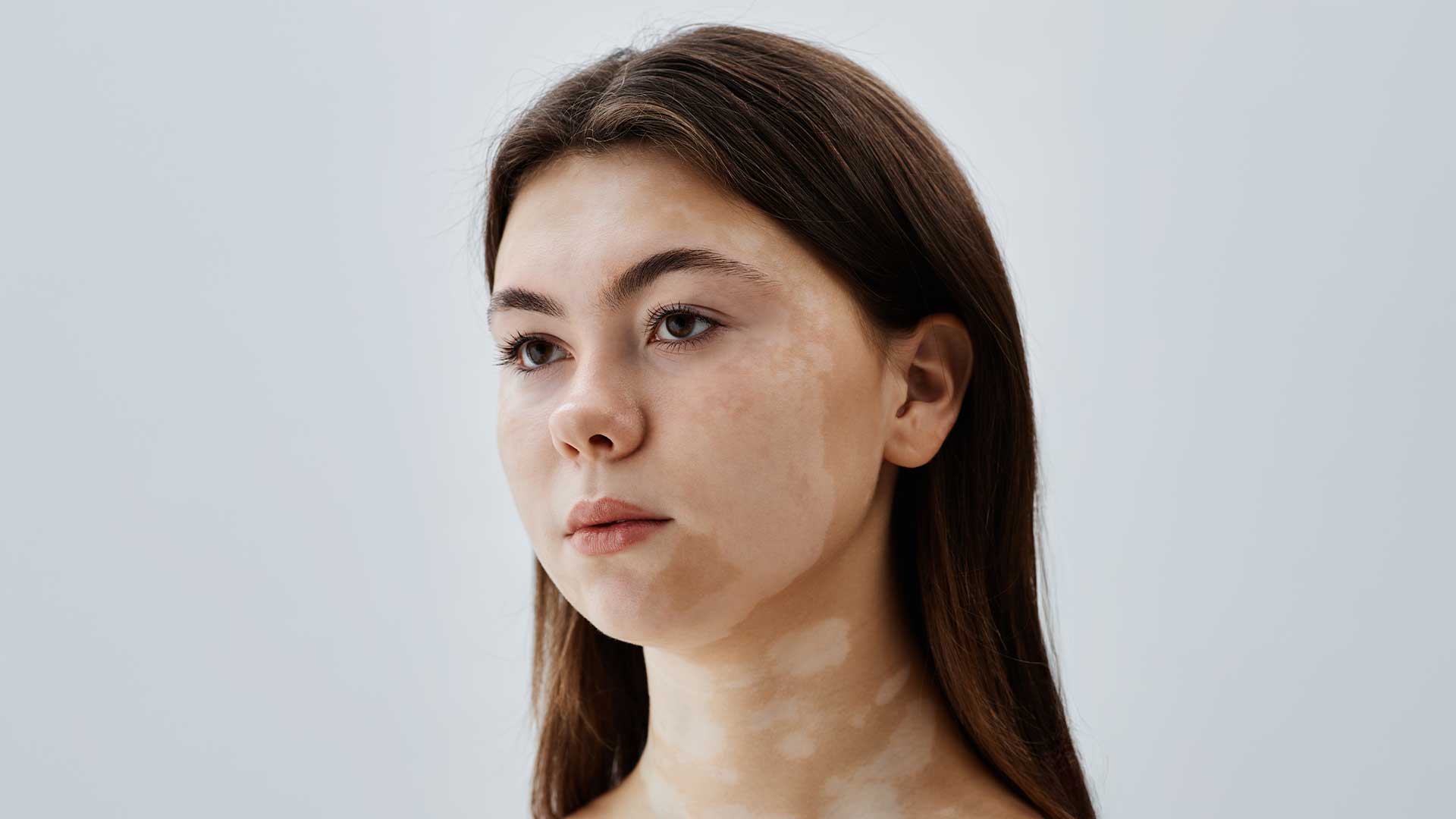
Patches of skin that look lighter or darker than the rest.
Changes in skin colour can be frustrating and sometimes concerning. Many people are not sure what is normal, what caused it, or whether it can be treated.
The good news? Most pigmentation disorders are manageable with the right diagnosis and care.
At Central Alberta Dermatology in Red Deer, we help patients throughout Central Alberta understand the causes of their skin changes and explore safe, evidence-based treatment options.
In this guide, you’ll learn:
- What pigmentation disorders are
- Common causes of uneven skin tone
- When to see a dermatologist
- Treatment options available in our clinic
For medical concerns, a referral from your family doctor is required.
Why Choose Central Alberta Dermatology
When it comes to skin conditions, an accurate diagnosis matters. Pigmentation changes can have many different causes, and the right treatment depends on identifying the underlying condition.
At Central Alberta Dermatology, patients receive care from a board-certified dermatologist serving the Red Deer and Central Alberta areas.
Our approach focuses on clear explanations, evidence-based treatments, and care plans tailored to each patient.
Patients choose our clinic because we offer:
- Specialist dermatology care focused on medical skin conditions
- Care from a board-certified dermatologist
- Thoughtful assessment of pigmentation changes and underlying causes
- Treatment plans designed for both skin health and cosmetic concerns
- A trusted dermatology clinic serving patients throughout Red Deer and Central Alberta
Our goal is simple. Help you understand your skin and feel confident in the care you receive.
What Are Pigmentation Disorders
Pigmentation disorders are conditions that affect the colour of the skin.
Melanin determines our skin colour. It’s a pigment produced by specialized skin cells called melanocytes. When melanin production becomes uneven, areas of skin may appear darker or lighter than surrounding skin.
Pigmentation changes can appear as:
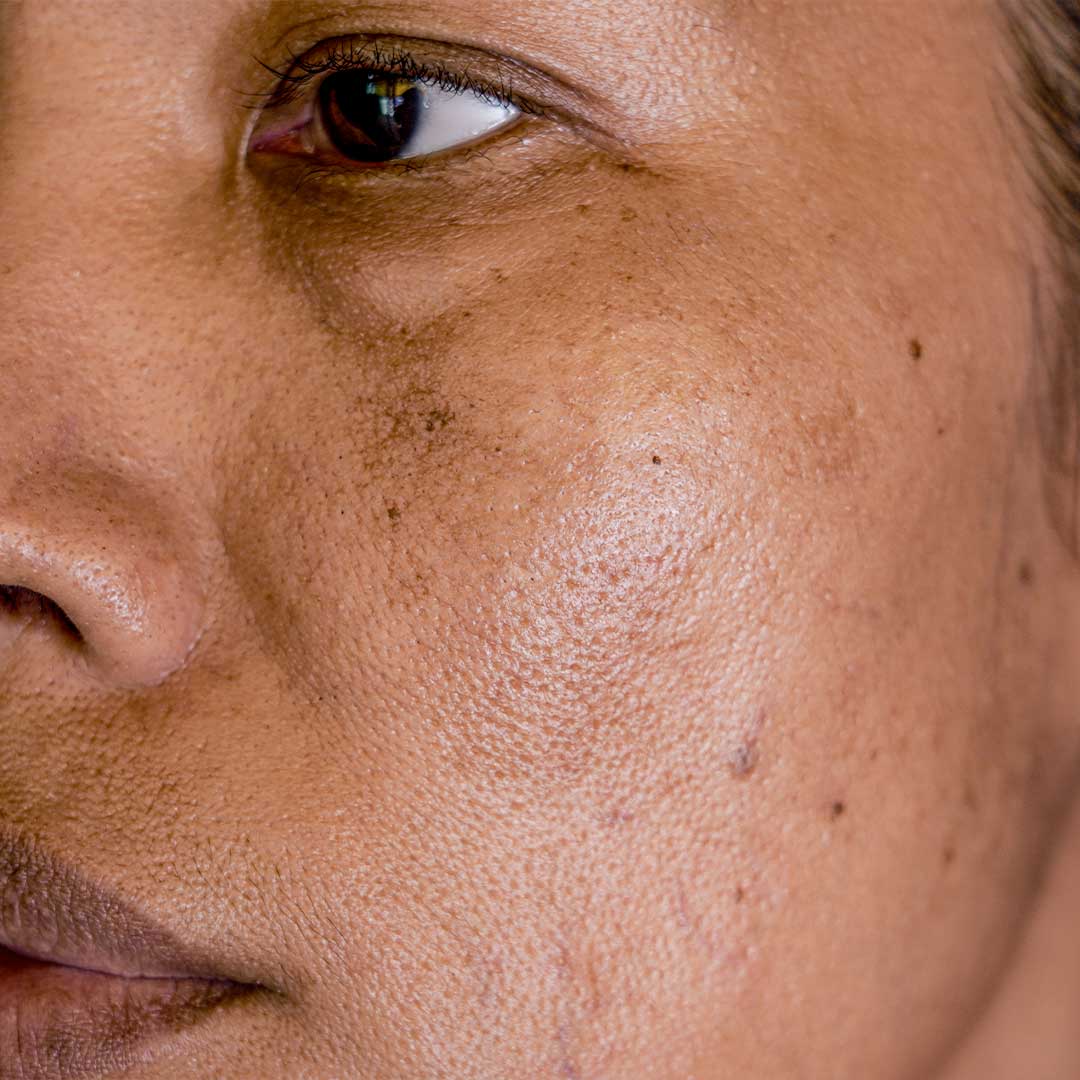
- Dark spots or patches
- Light or white patches
- Uneven skin tone
- Areas of skin that darken after inflammation or injury
Some pigmentation disorders are primarily cosmetic. Others may signal an underlying skin condition that requires medical care.
A dermatologist can help determine the cause and recommend the most appropriate treatment options.
What Causes Pigmentation Disorders
Pigmentation changes can develop for many reasons. Often, multiple factors are involved.
Common causes include:
Sun Exposure
Ultraviolet (UV) radiation can stimulate excess melanin production. Over time, this may lead to sun spots or age spots, also known as solar lentigines.
Hormonal Changes
Hormones can affect melanin production. This is commonly seen in melasma, which causes darker patches on the face and often appears during pregnancy or with hormonal medications.
Inflammation or Skin Injury
Skin conditions such as acne, eczema, or rashes can leave behind darker areas once the skin heals. This is called post-inflammatory hyperpigmentation.
Genetics
Some pigmentation disorders run in families and may appear earlier in life.
Medical Skin Conditions
Certain conditions affect pigment-producing cells. Examples include:
- Vitiligo, where pigment cells stop functioning, leading to white patches of skin
- Melasma, which causes symmetrical darker patches on the face
- Post-inflammatory pigmentation, which occurs after skin irritation or injury
A dermatologist can evaluate these changes and determine whether treatment is appropriate.
How We Treat Pigmentation Disorders in Red Deer
Treatment depends on the type of pigmentation disorder, its cause, and your skin type.
Treatment approaches may include:
Prescription Topical Treatments
Topical medications can help regulate melanin production and gradually improve uneven pigmentation.
These may include creams that:
- Reduce excess pigment
- Support skin cell turnover
- Calm inflammation that contributes to pigmentation
Medical Skin Care Guidance
Some pigmentation concerns improve with targeted skincare and consistent sun protection. A dermatologist can recommend products appropriate for your skin and condition.
Light or Laser-Based Treatments
Certain pigmentation concerns may benefit from advanced treatments that target skin pigment.
Not all pigmentation disorders are suitable for laser therapy. A dermatologist will determine whether this option is safe and appropriate.
Management of Underlying Skin Conditions
If pigmentation changes are caused by acne, eczema, or other inflammatory conditions, treating the underlying skin concern is an important part of improving skin tone.
Our goal is to create a personalized treatment plan that protects skin health and, when possible, addresses cosmetic concerns.
Long-Term Care and Prevention
Environmental factors, especially sun exposure, influence many pigmentation disorders.
Long-term management may include:
- Daily broad-spectrum sunscreen to prevent new pigmentation
- Gentle skincare that avoids irritation
- Monitoring existing spots for changes
- Follow-up appointments are needed to adjust treatment
Protecting the skin from UV exposure is one of the most effective ways to prevent pigmentation changes from worsening.
For medical concerns, a referral from your family doctor is required.
Frequently Asked Questions
Do I need a referral to visit Central Alberta Dermatology?
In most cases, a referral is required by Alberta Health Authority to schedule an appointment with our Dermatologist. However, as cosmetic treatments are elective, our cosmetic wing does not require a referral. We welcome you to call today to book your initial consultation for your customized treatment plan.
Are pigmentation disorders harmful?
Most pigmentation disorders are harmless. However, any new or changing skin spot should be evaluated by a dermatologist to rule out more serious conditions.
Can pigmentation disorders be completely removed?
Some pigmentation concerns can fade significantly with treatment. Others may improve but not disappear completely. A dermatologist can help set realistic expectations based on the condition.
When should I see a dermatologist for pigmentation changes?
You should consider seeing a dermatologist if you notice:
- New dark or light patches of skin
- Pigmentation that is spreading or changing
- Spots that do not improve with time
- Uneven skin tone that affects your confidence
Can sun exposure make pigmentation worse?
Yes. UV exposure is one of the most common triggers for pigmentation disorders and can cause existing spots to darken.
Is treatment safe for all skin types?
Many treatments are safe for a wide range of skin types when guided by a dermatologist. Proper diagnosis is important to ensure treatment is both effective and safe.
Concerned About Changes in Your Skin Colour?
For medical concerns, a referral from your family doctor is required.