
Just had a chemical peel?
You’re probably wondering what’s normal, what’s not, and how to get the best results.
In this guide, you’ll learn exactly what to expect after a chemical peel — from day-by-day recovery, common side effects, to expert aftercare tips from a board-certified dermatologist.
Knowing this now will help you heal faster, avoid complications, and enjoy glowing, refreshed skin sooner.
In This Article
What is a Chemical Peel?
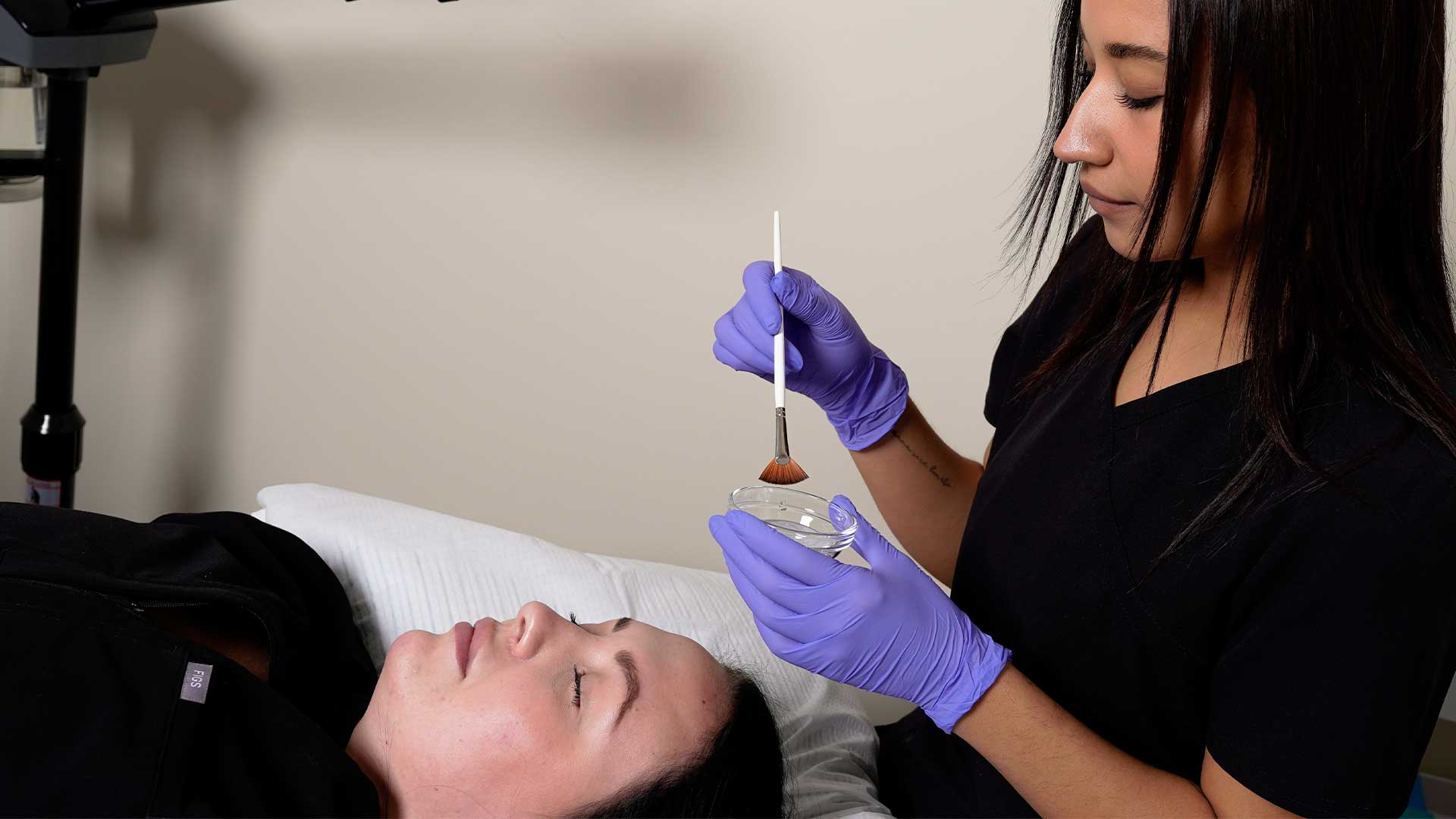
A chemical peel is a dermatological procedure that helps improve the appearance and texture of the skin. [1]
It works by applying a solution containing acids to the skin, which gently exfoliates the outer layer, allowing new, healthier skin to surface. Chemical peels can treat various concerns, including fine lines, acne, hyperpigmentation, uneven texture, and sun damage.
There are three main types of chemical peels[2]:
- Superficial Peels: Light peels that target the outermost layer of skin (epidermis). They’re suitable for mild discoloration, minor texture issues, or early signs of aging. Recovery is usually 3–7 days.
- Medium Peels: Penetrate deeper into the skin to address moderate wrinkles, pigmentation, or acne scarring. Recovery typically lasts 7 to 14 days.
- Deep Peels: Offer the most dramatic results for severe skin concerns, including deep wrinkles and pronounced sun damage. Recovery can take several weeks, and they are usually performed under medical supervision.
Your dermatologist will recommend the type of peel based on your skin type, concerns, and desired results. Chemical peels are highly customizable and can be combined with other treatments for optimal outcomes.
Immediate Post-Peel Effects
After your chemical peel, your skin will react to the treatment. Understanding these effects helps you know what’s normal and what may require attention.
Redness and Irritation
It’s common to experience redness and mild irritation immediately after a peel. This typically resembles a sunburn and can last from a few hours to a few days, depending on the strength of the peel.
Swelling or Mild Discomfort
Some patients may notice slight swelling or tenderness, particularly in sensitive areas such as the eyes and mouth. Over-the-counter pain relief and cold compresses can help ease discomfort.
Peeling and Flaking
The skin will naturally peel or flake as old layers are shed. Light exfoliation is normal and indicates that your skin is renewing itself. Avoid picking or peeling, as this can lead to scarring or pigmentation changes.
Sources:
Day-by-Day Recovery Timeline
The recovery timeline varies depending on the type of peel (light, medium, or deep). Here’s what to generally expect:
First 24 Hours
- Skin may feel tight or warm.
- Redness is common; avoid sun exposure.
- Use gentle, non-irritating moisturizers.
Days 2–3
- Mild peeling or flaking begins.
- Continue moisturizing; avoid exfoliating products.
- Redness and swelling should gradually reduce.
Days 4–7
- Peeling peaks; skin may look patchy.
- Continue sun protection with broad-spectrum SPF.
- Makeup may be used on light peels if approved by your dermatologist.
Weeks 2–4 (Medium/Deep Peels)
- Skin gradually smooths and brightens.
- Avoid harsh scrubs or chemical exfoliants until fully healed.
- Follow-up appointments with your dermatologist may be scheduled.
Do’s and Don’ts After a Chemical Peel
Proper aftercare is crucial for healing and results.
Do:
- Follow your dermatologist’s instructions precisely.
- Keep your skin moisturized and hydrated.
- Wear broad-spectrum sunscreen every day, even indoors.
- Use gentle, non-exfoliating cleansers.
- Maintain a healthy diet and stay hydrated to support skin recovery.
Don’t:
- Pick, scratch, or peel flaking skin.
- Use harsh scrubs, retinoids, or acids until cleared by your dermatologist.
- Go tanning or spend extended time in the sun.
- Apply makeup until your skin has sufficiently healed.
These precautions reduce the risk of complications and help maintain your results longer.[3]
Long-Term Care & Results
Chemical peels can produce significant improvements in skin texture, tone, and clarity. Long-term care can help you maintain results:
- Maintenance Treatments: Superficial peels may be repeated every 4–6 weeks, medium peels every 6–12 months.
- Skincare Routine: Gentle cleansing, daily SPF, and recommended moisturizers support skin health.
- Lifestyle Factors: Avoid smoking[4] and excess sun exposure, as these can accelerate skin aging.
- Monitoring: Track your skin’s progress and report any concerns to your dermatologist.
Results vary based on peel depth, skin type, and adherence to aftercare instructions.
When to Contact Your Dermatologist
Some reactions are normal, but you should reach out if you notice:
- Persistent redness or swelling beyond the expected recovery period
- Signs of infection (pus, severe pain, fever)
- Unexpected reactions, such as blistering or dark patches
Your dermatologist can assess whether additional care or treatments are needed.
Frequently Asked Questions
Can I exercise after a chemical peel?
Light activity is usually fine, but avoid intense exercise for the first 48–72 hours to prevent sweating and irritation.
How soon can I wear makeup?
Makeup can typically be applied 5–7 days after a superficial peel, once flaking has subsided. Medium or deep peels may require longer.
Will my skin peel heavily?
Peeling intensity depends on the type of peel. Superficial peels often flake lightly, while medium peels may result in more noticeable shedding.
How do chemical peels help acne or pigmentation?
Peels exfoliate damaged skin layers, unclog pores, and promote cell turnover, which can reduce acne, dark spots, and uneven tone.
Are chemical peels safe for sensitive skin?
Yes, but your dermatologist may opt for gentler formulations and closely monitor your response.
Conclusion / Next Steps
A chemical peel can rejuvenate your skin, but proper aftercare is essential.
Chemical peels can also be used for the treatment of pre-cancerous spots.
By following the timeline, using gentle skincare, and protecting your skin from the sun, you’ll maximize results and minimize complications.
If you’re considering a chemical peel or have questions about your recovery, our dermatologist in Central Alberta can provide personalized guidance.
References
- [1] Professional, C. C. M. (2025, August 20). Chemical peels. Cleveland Clinic. https://my.clevelandclinic.org/health/treatments/11010-chemical-peels
- [2] Chemical peel – Mayo Clinic. (n.d.). https://www.mayoclinic.org/tests-procedures/chemical-peel/about/pac-20393473
- [3] Samargandy, S., & Raggio, B. S. (2023, October 29). Chemical peels for skin resurfacing. StatPearls – NCBI Bookshelf. https://www.ncbi.nlm.nih.gov/books/NBK547752/
- [4] Yazdanparast, T., Hassanzadeh, H., Nasrollahi, S. A., Seyedmehdi, S. M., Jamaati, H., Naimian, A., Karimi, M., Roozbahani, R., & Firooz, A. Cigarettes Smoking and Skin: A Comparison Study of the Biophysical Properties of Skin in Smokers and Non-Smokers. Tanaffos, 18(2), 163. https://pmc.ncbi.nlm.nih.gov/articles/PMC7230126/
- [5] Chemical peels: FAQs. (n.d.). https://www.aad.org/public/cosmetic/younger-looking/chemical-peels-faqs